
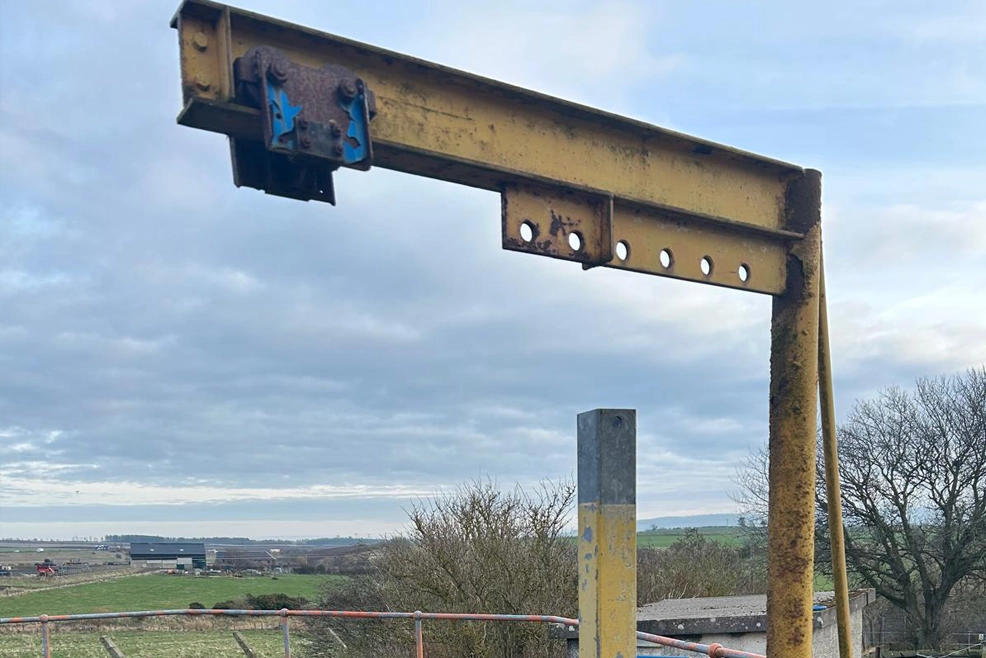
Industrial hoists are essential pieces of equipment across manufacturing, construction, engineering and other industrial environments. When operating correctly, they help businesses move heavy loads safely and efficiently. But like any mechanical equipment, hoists can develop faults over time.
Recognising the early warning signs of a problem can help prevent unexpected breakdowns, minimise costly downtime and protect the safety of your workforce.
Whether you operate an electric chain hoist, a manual chain block or a lever hoist, knowing what to look out for is an important part of responsible equipment management.
In this guide, Lifting Material Supplies Ltd (LMS) explains seven signs that your industrial hoist may need professional attention.
1. Unusual noises during operation
One of the first signs that something may be wrong with a hoist is a change in the noise it makes during operation.
Grinding, clicking, squealing or unexpected knocking sounds can indicate a potential mechanical issue. Depending on the type of hoist, these noises may be associated with worn components, lubrication problems, damaged gears or other internal faults.
Although some operational noise is normal, any significant or unexplained change should be investigated.
What should you do?
Stop using the equipment if you suspect a fault and arrange an assessment by a competent service engineer. Avoid continuing to operate the hoist in the hope that the noise will disappear.
2. Slow, jerky or inconsistent lifting
A hoist should operate in accordance with its design and manufacturer’s specifications. If it begins lifting more slowly than usual, moves unevenly or struggles to raise a load it would previously handle correctly, there may be an underlying problem.
Potential causes can vary depending on the equipment and may include:
- Worn or damaged mechanical components.
- Electrical or control system faults in powered hoists.
- Problems with the braking or drive systems.
- Issues affecting the lifting chain or wire rope.
Inconsistent operation can make loads more difficult to control and may introduce additional risks during lifting operations.
What should you do?
Do not attempt to compensate for inconsistent performance by repeatedly operating the controls or increasing the load. Remove the hoist from service where a fault is suspected and arrange a professional inspection.
3. Visible damage to the chain, wire rope or hooks
The condition of a hoist’s lifting components is critical to its safe operation.
Regularly check for visible signs of damage, following the manufacturer’s guidance and your company’s inspection procedures.
Warning signs may include:
- Bent, cracked, stretched or visibly deformed chain links.
- Broken wires, kinks, crushing or corrosion on wire rope.
- Cracks, deformation or damage to hooks.
- Damaged safety catches or locking mechanisms.
- Unusual wear on connecting components.
Not all defects will be obvious to an untrained observer, which is why routine checks must be supported by appropriate maintenance and thorough examinations.
What should you do?
Never use a hoist with suspected damage to its load-bearing components. Do not attempt to straighten, weld or otherwise repair damaged lifting components yourself. A competent person or suitably qualified service provider should assess the equipment and determine the appropriate action.
4. The brake does not hold the load correctly
The braking system is one of the most important safety features on a powered or manual hoist.
If a suspended load moves unexpectedly, the brake slips, or the hoist fails to hold a load as intended, the equipment must not continue to be used.
Brake problems can arise from wear, contamination, adjustment issues or other mechanical faults. The cause needs to be established before the equipment can safely return to service.
What should you do?
If you suspect a braking fault, stop using the hoist immediately and follow your site’s safe procedures for dealing with the load and isolating the equipment.
Never rely on repeated testing with a suspended load to establish whether a brake is working correctly. Arrange for the equipment to be assessed by a competent service engineer.
5. The hoist overheats or develops electrical problems
Powered hoists rely on electrical components, motors, controls and associated safety systems to operate correctly.
Signs of a possible electrical or overheating issue include:
- Burning smells or visible smoke.
- Unexpected motor cut-outs.
- Repeated tripping of electrical protection devices.
- Unusual heat during operation.
- Damaged cables, connectors or control equipment.
These symptoms should never be ignored. They may indicate a fault that could damage the equipment or create additional workplace hazards.
What should you do?
Stop using the hoist if you notice signs of overheating, burning or electrical damage. Isolate the equipment where safe to do so and arrange for a suitably qualified engineer to investigate.
Electrical repairs should only be carried out by appropriately qualified personnel.
6. The hoist requires more effort to operate
A manual chain hoist or lever hoist should operate in accordance with its design and manufacturer’s instructions.
If the chain becomes difficult to pull, the lever requires unusual force, or operation feels noticeably different from normal, the equipment may have a developing fault.
Possible causes include contamination, inadequate maintenance, damaged components or problems within the lifting mechanism.
Applying additional force is not a safe solution. It may worsen the problem or cause the operator to lose control of the equipment.
What should you do?
Stop using the hoist if it is unusually difficult to operate. Have it assessed to establish whether cleaning, maintenance, repair or replacement is required.
Never exceed the manufacturer’s operating instructions or use extensions and improvised tools to increase leverage.
7. Your hoist has missed maintenance or examination deadlines
Not every problem is visible. A hoist may appear to operate normally while still requiring maintenance or a statutory thorough examination.
Keeping accurate records of servicing, inspections, repairs and equipment history helps businesses identify overdue work and plan maintenance before problems arise.
Under the Lifting Operations and Lifting Equipment Regulations 1998 (LOLER), lifting equipment used at work must be thoroughly examined at the applicable intervals by a competent person.
For general lifting equipment, the usual interval is at least every 12 months, while equipment used to lift people and lifting accessories are generally examined at least every six months, unless an applicable written examination scheme specifies different intervals.
These thorough examinations are distinct from routine servicing and maintenance. One does not replace the other.
What should you do?
Review your equipment records and confirm that maintenance and examination arrangements are up to date. If you’re unsure whether your hoist is due for attention, seek advice from a competent lifting equipment specialist before continuing to rely on it.
Why preventative maintenance matters
Waiting until a hoist breaks down can lead to unplanned downtime, disruption to production schedules and potentially more extensive repair work.
A planned preventative maintenance programme helps businesses monitor equipment condition, identify developing faults and schedule work around operational requirements.
The benefits can include:
Improved reliability
Regular servicing can help identify wear and developing faults before they lead to unexpected failures.
Reduced operational disruption
Planning maintenance in advance can make it easier to coordinate servicing with production schedules and minimise unnecessary downtime.
Longer equipment service life
Appropriate maintenance helps keep equipment in suitable working condition and may reduce avoidable deterioration.
Better equipment management
Service records and maintenance schedules provide a clearer picture of equipment condition, helping businesses plan repairs, replacement and future investment.
Maintenance requirements will vary depending on the hoist type, usage, operating environment and manufacturer’s recommendations. A suitable programme should reflect the actual demands placed on the equipment.
When should you repair or replace an industrial hoist?
Not every fault means a hoist needs to be replaced. In some cases, a suitable repair can restore the equipment to a safe operating condition.
The decision depends on factors including the nature of the fault, the availability of appropriate replacement parts, the equipment’s age and condition, and the cost of repair compared with replacement.
A competent service provider can assess the equipment and advise on the available options.
Where replacement is the better option, it is important to select a hoist that is suitable for the intended load, lifting height, duty cycle, operating environment and installation.
For businesses upgrading existing equipment or installing a new lifting system, professional advice can help ensure the new hoist is correctly specified for the application.
Industrial hoist maintenance and repair from LMS
At Lifting Material Supplies Ltd, we understand how important reliable lifting equipment is to keeping industrial operations running safely and efficiently.
Based in Coatbridge, Scotland, our team provides crane and hoist services for businesses across Scotland, including installation, planned preventative maintenance, breakdown support and repairs.
Our services cover a range of equipment, including overhead travelling cranes, electric chain hoists, jib cranes and monorail and runway systems.
Whether you’re dealing with an unexpected fault, looking to establish a planned maintenance programme or considering an upgrade to your existing equipment, our experienced engineers can help you identify the appropriate next steps.
We also provide lifting equipment inspection, testing and certification services, supporting businesses with the ongoing management of their lifting equipment.
To find out more, visit our Crane and Hoist Services page.
Need help with your industrial hoist?
Unusual noises, inconsistent lifting, damaged components and braking problems should never be ignored. Identifying potential faults early and arranging appropriate professional attention can help reduce downtime and support safer lifting operations.
If your hoist needs servicing, repair or assessment, contact Lifting Material Supplies Ltd to discuss your requirements.
Contact LMS today:
Telephone: 01236 432 639
Email: enquiries@liftingmaterialsupplies.co.uk
Address: Unit 3D, Monklands Industrial Estate, Kirkshaws Road, Coatbridge, ML5 4RP
Visit liftingmaterialsupplies.co.uk to explore our lifting equipment, inspection, testing and engineering services.
Important: This article provides general information and is not a substitute for manufacturer instructions, a task-specific risk assessment or advice from a competent person. Equipment suspected of being defective must not be used until it has been appropriately assessed.
Important: This article provides general information and should not be used as a substitute for a task-specific risk assessment, manufacturer instructions or advice from a competent person. Always ensure lifting equipment is correctly specified and used in accordance with applicable requirements.