
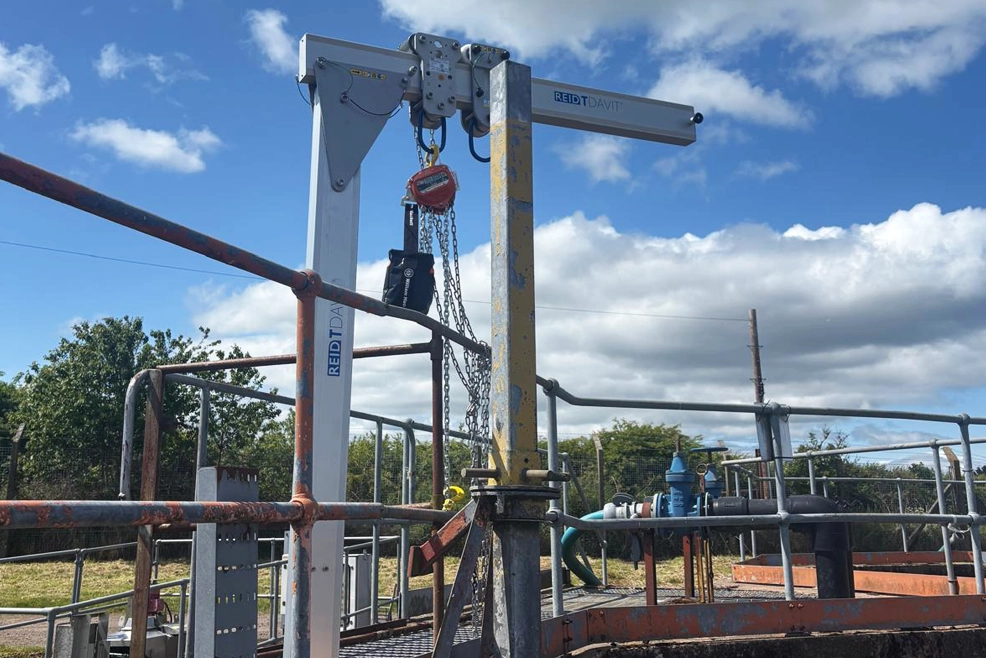
If your business uses cranes, hoists, slings, shackles or any other lifting equipment, you have legal duties to keep it safe. The main rules are the Lifting Operations and Lifting Equipment Regulations 1998, better known as LOLER.
This guide explains what a LOLER inspection is, how often one is needed, and what to do to stay compliant.
What Is LOLER?
LOLER is the law that governs the safe use of lifting equipment in the workplace. It applies to almost every business that lifts or lowers loads, from construction sites and factories to warehouses, theatres and sports venues.
Under LOLER, lifting equipment must be:
- Strong and stable enough for the loads it will carry
- Suitable for the job and positioned or installed safely
- Clearly marked with its safe working load
- Planned, supervised and carried out safely for every lifting operation
- Thoroughly examined at set intervals by a competent person
That last requirement is what most people mean when they talk about a LOLER inspection.
What Is a LOLER Inspection?
A LOLER inspection, formally called a thorough examination, is a detailed check of lifting equipment carried out by a competent person. It is more than a quick visual check. The examiner looks for wear, damage, corrosion, deformation and anything else that could make the equipment unsafe.
For some equipment, a thorough examination also involves proof load testing, where the equipment is tested against a controlled load to confirm it performs as it should. This is why access to a proper test bed matters.
At the end, the examiner issues a written report. If any defect could become a danger, the report must say so, and the equipment should not be used until it is put right.
What Counts as Lifting Equipment?
LOLER covers a wide range of equipment, including:
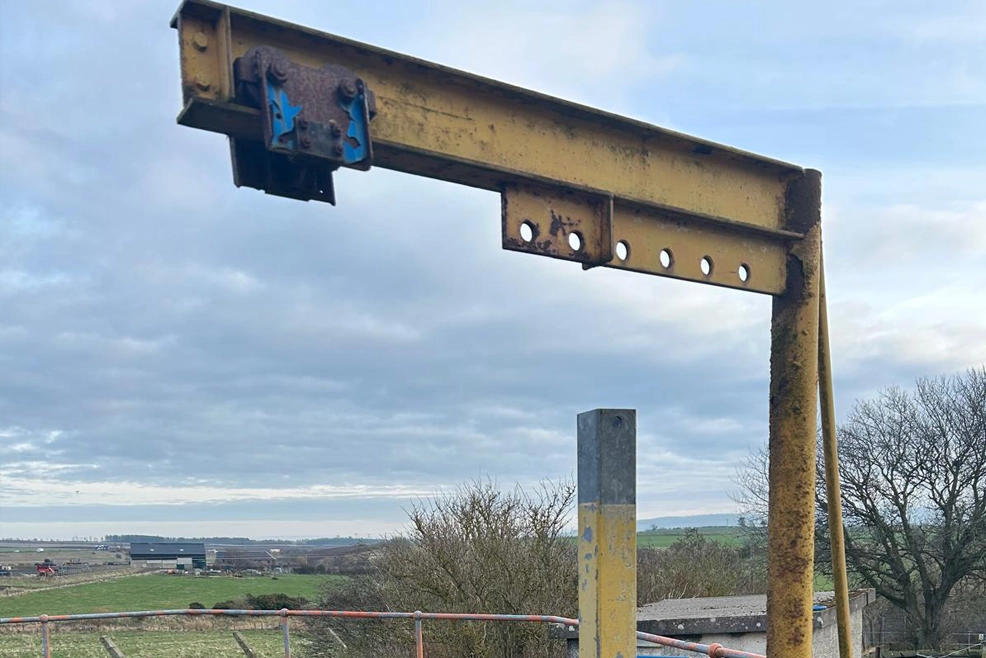
- Overhead cranes, jib cranes and gantry cranes
- Electric and manual hoists
- Chain slings and wire rope slings
- Webbing slings and round slings
- Shackles, eyebolts, hooks and other lifting accessories
- Lifting beams, spreaders and bespoke lifting frames
- Vehicle tail lifts and platform lifts
Equipment you own, hire or borrow all falls within the rules. If you use it, you are responsible for making sure it has been examined.
How Often Does Lifting Equipment Need a LOLER Inspection?
The timescales depend on what the equipment is used for. As a general guide:
- Every 6 months for lifting equipment used to lift people, and for lifting accessories such as slings and shackles
- Every 12 months for other lifting equipment, such as cranes and hoists that only lift loads
- According to a written scheme of examination drawn up by a competent person, which can set different intervals based on how the equipment is used
Equipment should also be examined after installation, before first use, and after any event that could affect its safety, such as an overload, a collision or major repair.
If you’re unsure which interval applies, a competent person can set this out in a written scheme of examination.
Who Can Carry Out a LOLER Inspection?
The examination must be carried out by a competent person, meaning someone with the right training, knowledge and experience to spot defects. They must also be independent enough to make impartial judgements.
In practice, most businesses use a specialist lifting company with qualified engineers rather than relying on in-house staff. Look for engineers with recognised industry qualifications, such as those from the Lifting Equipment Engineers Association (LEEA), and for a provider that can proof-load equipment to the capacities you need.
What Happens If You Don’t Comply?
Missing an inspection is risky as well as non-compliant. Worn or damaged lifting equipment can fail without warning, putting your team, the public and your project at risk.
The consequences of non-compliance can include:
- Serious injury or loss of life if equipment fails during a lift
- Enforcement action from the Health and Safety Executive (HSE), including improvement and prohibition notices
- Prosecution and unlimited fines in serious cases
- Project delays and downtime while equipment is taken out of service
- Invalidated insurance if you can’t show your equipment was examined
For the full legal detail, the HSE publishes clear guidance on LOLER for dutyholders.
Five Tips for Staying LOLER Compliant
- Keep a register of all your lifting equipment. Record what you have, where it is and when each item was last examined.
- Diarise your inspection dates. Set reminders well ahead of each deadline so nothing slips through.
- Do pre-use checks. Operators should check equipment before each use and report any damage straight away.
- Quarantine anything doubtful. If you suspect a problem, remove the equipment from service until a competent person has checked it.
- Keep your certificates and reports. You must be able to produce them if an inspector asks.
Choosing the Right Inspection Partner
A good inspection partner makes compliance simple. Look for a company that offers:
- LEEA-qualified engineers
- In-house testing facilities for proof loading heavier equipment
- Clear, accurate certification delivered promptly
- The ability to repair, replace or manufacture equipment if something fails
- Local support, so you aren’t left waiting when you need kit back in service
Having inspection, testing, supply and repair under one roof saves time, and it means you can get a failed item replaced without chasing several suppliers.
Book Your LOLER Inspection with LMS
At Lifting Material Supplies, our LEEA-qualified engineers carry out LOLER inspections, proof load testing and full certification for businesses across Scotland. With in-house 100 tonne and 150 tonne test beds, we can examine and certify everything from shackles and slings to heavy-duty custom assemblies.
Find out more about our inspection, testing and certification services, or get in touch today for a no-obligation quote.
📞 Call us on 01236 432 639
✉️ Email enquiries@liftingmaterialsupplies.co.uk
👉 Request a quote
Don’t wait for an inspection to become overdue. Contact LMS today and keep your lifting equipment safe, certified and compliant.